Ever felt overwhelmed by the sheer precision required in academic writing? As students, researchers, and professionals, we all strive to present our work with credibility and integrity. At the heart of this endeavor lies accurate citation, and for many, the Harvard referencing style is the go-to standard. It’s an author-date system known globally for its straightforward approach, yet mastering its nuances for every source type can still feel like a monumental task.
Fortunately, modern tools like a Harvard style citation generator are transforming how we manage this crucial aspect of academic work. These powerful online platforms don't just save you time; they ensure your references are consistently accurate, allowing you to focus on the quality of your research and writing. This super pillar hub is designed to be your definitive guide, connecting you to everything you need to know about Harvard referencing and how to leverage generators for effortless accuracy.
Mastering Harvard Referencing: The Foundation of Academic Integrity
Harvard referencing, an author-date system, is much more than just a formatting rule; it's a cornerstone of academic integrity. Its primary purpose is to acknowledge the contributions of others, provide context for your arguments, and demonstrate the depth of your research. Originating in 1881 with zoologist Edward Laurens Mark at Harvard University, it has evolved into one of the most widely adopted styles worldwide. While its simplicity is lauded, different institutional guides might present slight formatting nuances.
Properly referencing your sources is vital for avoiding plagiarism and upholding the ethical standards of scholarly work. It shows your readers that you've engaged deeply with existing literature and allows them to easily locate your sources for further reading. If you’re ready to dive deeper into the history, philosophy, and basic mechanics behind this pervasive style, you'll want to Understand Harvard Referencing.
The Core Components: In-Text Citations
The Harvard style primarily relies on brief in-text citations, which are neatly integrated into your writing. These usually consist of the author's surname and the year of publication placed in parentheses within or at the end of a sentence (e.g., (Author, Year)). For direct quotes or specific sections, you’ll also include a page number. If the author's name is already part of your sentence, only the year is needed immediately after their surname.
For sources with numerous contributors, "et al." (meaning 'and others') simplifies your in-text reference, especially when there are more than four authors. It’s also crucial to remember that, unlike some other styles, Harvard does not use footnotes or endnotes for referencing; all citations are handled in the main text and the final reference list.
Building Your Reference List
At the culmination of your work, a full reference list provides all the necessary details for each source cited. This list should always start on a new page and be meticulously ordered alphabetically by the surname of the first author. If a source lacks a discernible author, it's alphabetized by the first significant word of its title.
Each entry in the reference list follows a specific structure. Author initials are used, and titles of major works like books or reports are italicized. For journal articles, it's the name of the journal that gets italicized, not the article title itself. Pay attention to capitalization rules, particularly for publication and journal titles, to maintain consistency. For online resources, include the DOI or URL and, importantly, the date of access, as web content can change over time. When you need to get into the nitty-gritty of formatting every conceivable source type, from books and journals to websites and social media, you’ll definitely want to Explore the Harvard Citation Guide.
Why Harvard Style Citation Generators Are a Game-Changer
In the past, crafting a perfectly formatted Harvard reference list was a time-consuming and often error-prone exercise. Students and researchers spent valuable hours meticulously checking every comma, italic, and bracket. Today, Harvard style citation generators have revolutionized this process, providing an efficient and accurate solution that simplifies referencing across diverse fields, including humanities, social sciences, business, and healthcare.
These online tools automatically create properly formatted Harvard citations, saving countless hours and eliminating the common mistakes that can plague manual referencing. They are designed to keep pace with the latest guidelines, with advanced platforms supporting various editions like the 10th, 11th, and 12th editions of the Harvard Cite Them Right guide. This ensures your work adheres to the most current academic standards without you having to memorize every minute detail. To truly harness the power of these tools and streamline your academic workflow, it's essential to Use Harvard citation generators effectively.
How Generators Simplify Your Workflow
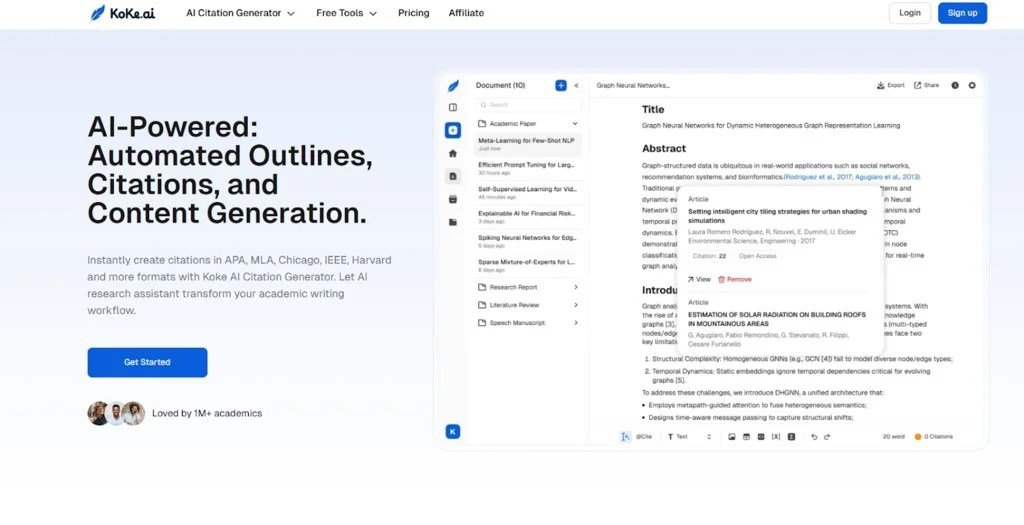
Using a citation generator like Paperpal is remarkably straightforward. The process typically involves just a few steps:
- Search: Find relevant papers by topic, DOI, keyword, or even a specific question.
- Add: Easily add these sources to your personal Citation Library, building a comprehensive record of your research.
- Generate: Simply select "Harvard Style" from a dropdown menu, and the generator instantly produces accurate in-text citations and reference list entries that you can copy and paste directly into your document.
Beyond basic generation, many tools offer advanced features such as converting your references to thousands of other citation styles, providing incredible flexibility for different publication requirements. They can also integrate seamlessly with web editors and even suggest credible citations based on your writing, further enhancing your research process.
Beyond Harvard: Understanding Different Citation Landscapes
While Harvard is incredibly popular, it’s not the only referencing style you'll encounter in academia. Different disciplines often prefer specific styles, each with its own set of rules and conventions. For instance, APA is common in social sciences, MLA in humanities, and Chicago style offers both author-date and notes-and-bibliography options. Each style serves to standardize academic communication within its respective field.
Understanding these differences is crucial, especially if your studies or research span multiple disciplines. The good news is that many citation generators can effortlessly convert your existing Harvard references into APA, MLA, Chicago, or virtually any other style with just a few clicks. This versatility ensures you're always prepared, no matter what your professor or publisher demands. To gain a broader perspective and navigate the diverse world of academic formatting, you should definitely Explore citation style differences.
Upholding Academic Integrity with Precision Referencing
The ultimate goal of proper referencing, whether manual or assisted by a generator, is to uphold academic integrity. Plagiarism, intentional or accidental, carries significant consequences in scholarly and professional environments. By accurately citing all your sources, you give credit where credit is due, build trust with your readers, and demonstrate the originality and rigor of your own ideas.
Harvard style citation generators act as an invaluable safeguard against unintentional plagiarism by ensuring that every reference is correctly formatted and attributed. They minimize the chance of errors that could lead to misunderstandings about source attribution. By embracing these tools, you're not just saving time; you're actively reinforcing your commitment to honest and responsible scholarship, making it easier to confidently navigate the academic landscape. For a deeper dive into how meticulous referencing contributes to ethical scholarship, be sure to read our guide on Avoiding plagiarism with Harvard Referencing.
By mastering the Harvard referencing style and leveraging the efficiency of modern citation generators, you empower yourself to produce academic work that is not only well-researched but also impeccably presented and ethically sound. Step confidently into your next research project, knowing that accurate references are now within easy reach.